Thinking about your first ski (or snowboard) holiday? You’re in good company. Every winter, thousands of UK travellers clip into skis for the very first time, some nervously, others excitedly, and quickly discover why the mountains are so captivating.
Imagine waking up to golden light glistening on snow-covered peaks, the air crisp and clear, and the first lift ride of the day ahead. It might feel daunting at first: the boots are clunky, the maps look confusing, lifts seem mysterious, and yes, falling over is inevitable. But with the right planning, lessons and destination, those wobbly first runs soon turn into “I did it!” grins.
This guide answers the most common beginner questions, from where to go, to what it costs, to how long it takes to learn.
1. Ski Terms You’ll Actually Use
Ski resorts have their own language, and it helps to get familiar with the basics before you arrive.
A ski area is the entire network of runs and lifts connected together. Some areas, like the French 3 Vallées, combine several resorts into one vast ski area, offering hundreds of kilometres of pistes to explore and plenty of variety each day.
Resort height refers to the altitude of the villages within the ski area. Higher resorts generally mean better snow reliability, especially early or late in the season.
You’ll use many types of lifts to get up the mountain: chairlifts, gondolas, drag lifts, and magic carpets (a conveyor belt-style lift in beginner zones). Gondolas and chairs are easiest for newcomers, while drag lifts can take a little more practice.
The mountain is divided into runs (or pistes), each colour-coded by difficulty. In Europe, green means beginner, blue is gentle intermediate, red is steeper, and black is expert. A piste map shows you the layout of these runs, plus the lifts that connect them.
Other handy terms: ski-in/ski-out accommodation means you can ski from your door straight onto the slopes, no walking or buses needed.
Après-ski is everything that happens once you take your boots off, think mulled wine on a sunny terrace or live music in a mountain bar.
A lift pass is your ticket to all the chairlifts and gondolas.
Finally, most hotels or apartments will have a boot room, a space with lockers for storing skis, boards and boots overnight.
2. Choosing the Right Destination
What makes a resort beginner-friendly?
The best ski resorts for beginners share a few things in common: wide, gentle slopes where you can practise without fear, highly rated ski schools with English-speaking instructors, and easy-to-use lifts.
Best beginner-friendly ski resorts
If you’re new to the slopes, a handful of resorts are especially welcoming. In France, Alpe d’Huez is a favourite with wide nursery slopes at the base of the mountain, perfect for practising those first turns without pressure.
Avoriaz, perched high above Morzine, feels almost magical. It’s a car-free resort where you can walk everywhere and find gentle runs right on your doorstep.
Flaine might not win any prizes for pretty architecture, but its layout makes life simple and its open beginner areas are ideal for building confidence.
Over in the Paradiski region, Les Arcs and La Plagne both offer safe learner zones and excellent ski schools, with enough terrain to keep more advanced friends entertained too.
If you’d prefer something quieter, Austria’s Obergurgl–Hochgurgl has a calm, unhurried atmosphere and uncrowded pistes that are great for learning at your own pace.
And then there’s Andorra, where the Grandvalira ski area combines affordable prices with English-speaking instructors and wide, forgiving slopes, a brilliant option if you’re looking for a first trip that’s both beginner-friendly and good value.
High-altitude resorts
Snow conditions matter, especially if you’re travelling in December or late March. High-altitude resorts such as Val Thorens (in the 3 Vallées), Tignes, Val d’Isere and Saas Fee are more reliable, with slopes that stay open longer into the season.
They all have beginner zones at altitude, so you won’t be left at the bottom of the mountain while everyone else heads higher up.
Bigger resorts for mixed-ability groups
If you’re travelling with friends or family of different ski ability levels, a larger ski area is worth it. Resorts like La Plagne and Les Arcs (together forming Paradiski) or the vast 3 Vallées (Val Thorens, Méribel, Courchevel) have both gentle green runs for learners and challenging terrain for experts, meaning everyone can enjoy the same holiday.
Meeting up for lunch is easy thanks to the abundance of mountain cafés and lift connections.
Sustainability-focused resorts
Many skiers are now choosing destinations with an eco-friendly focus. Avoriaz is a car-free resort where horse-drawn sleighs replace taxis. Built with sustainability in mind from the very start, Avoriaz also runs on renewable energy and is recognised with the Green Snowflake label for its commitment to protecting the mountain environment.
Over in Switzerland, LAAX has set itself some of the most ambitious green targets in the ski world. Through its Greenstyle programme, the resort is working towards becoming fully carbon neutral, using renewable energy, cutting waste, and even redesigning how new lifts and buildings are constructed to reduce their footprint.
And then there’s Zermatt, where the story of sustainability has been part of its identity for decades. The village is famously car-free, relying instead on electric vehicles and mountain railways to keep air clean and the atmosphere peaceful.
Together, these resorts prove you can enjoy the thrill of skiing while supporting destinations that genuinely care about their long-term impact.
Budget-friendly options
If you’re looking to keep costs down, there are some great budget-friendly options beyond the classic Alpine favourites.
Resorts like Bansko in Bulgaria or Jasná in Slovakia offer low-cost accommodation, cheaper lift passes, and English-speaking ski schools, which makes them especially appealing for families and beginners.
In the Alps themselves, Italy is often considered the best value-for-money destination. Resorts such as Bardonecchia and Passo Tonale regularly undercut their French and Swiss neighbours on price while still offering excellent slopes and a warm, welcoming atmosphere.
Resorts with more than just skiing
Not everyone in your group might want to ski, and that’s okay. Alpine towns like Morzine, Bourg Saint Maurice, or Zermatt are thriving year-round communities where non-skiers can explore shops, cafés, spas and scenic train rides.
In Lapland, resorts such as Levi offer beginner slopes alongside snowshoeing, husky rides, and Northern Lights excursions, perfect if skiing isn’t the only reason you’re there.
Outside Europe: when you’re ready for a bigger adventure
While most UK beginners stick to Europe for convenience and shorter flights, there are brilliant options further afield if you’re ready to combine skiing with long-haul travel.
In the USA, resorts like Breckenridge in Colorado are exceptionally beginner-friendly. The atmosphere is famously welcoming, and the town itself has a fun, lively vibe that mixes mountain charm with American hospitality.
In Canada, Whistler Blackcomb is the superstar of ski resorts. While it’s enormous, it’s also surprisingly accessible for beginners, with dedicated learning zones and wide, gentle slopes. There’s a huge ski school operation with English-speaking instructors, and the resort’s friendly culture makes it easy to find your feet.
If Whistler feels overwhelming, smaller Canadian mountains like Sun Peaks or Big White are also excellent choices, combining family-friendly terrain with a more relaxed pace.
And then there’s Japan. Resorts such as Niseko and Hakuba offer mellow slopes, English-language ski schools, and some of the world’s best snow, light, fluffy powder that falls in abundance. The bonus? You can soak in steaming hot-spring baths (onsen) after skiing, and enjoy Japanese hospitality, food and culture alongside your time on the slopes.
These trips require a bigger budget and longer flights, but they’re unforgettable adventures once you’ve caught the ski bug.
Lesser-known gems in Scandinavia
If you’d like something a little different and less crowded, look north. Scandinavia has a reputation for calm, uncrowded, and family-friendly resorts, making them brilliant for beginners.
In Norway, Geilo is a charming resort halfway between Oslo and Bergen, with gentle slopes, reliable snow, and an incredibly welcoming ski school. It’s small and manageable, so you’ll never feel lost or overwhelmed, and the atmosphere is wonderfully relaxed. Trysil, Norway’s largest ski resort, also offers wide, forgiving runs that are perfect for learners.
In Sweden, Åre combines Scandinavian charm with an international feel. While it’s a larger resort, it still has plenty of beginner terrain and a laid-back vibe. Being further north, the season is long, though it can be much colder in mid-winter than the Alps.
Scandinavia’s ski culture focuses on family, hospitality and enjoyment of the outdoors rather than flashy après-ski, so if you’re looking for a calmer introduction to skiing, Norway or Sweden might just be the perfect fit.
4. When to Go & For How Long
How long should a first ski trip be?
A week is the sweet spot. With five or six days on snow, you’ll have time to take lessons, practise, and actually enjoy yourself rather than just surviving those first wobbly days.
Most ski schools offer week-long lesson packages, often with classes in the mornings and free time in the afternoons. After two or three days, the basics usually start to click, and by day five you’ll likely be cruising down green runs with confidence.
Short breaks are possible, especially if you’re travelling by car or train, but keep in mind that skiing is a skill sport. It takes a few days to get past the falling-over stage, so a long weekend might leave you feeling like you were just getting started.
Which month is best?
December. There’s something magical about skiing in December. Resorts are decorated for Christmas, lights twinkle through the snow, and you can sip hot chocolate by the fire after your first day on the slopes. The beginning of December is usually one of the cheaper times to go in the season, but Christmas and New Year week can be pricey. The trade-off is snow reliability: lower resorts may have patchy coverage, so it’s safer to pick high-altitude destinations like Val Thorens, Tignes or Obergurgl to guarantee good skiing.
January. For snow lovers, January is often the best month of the season. The festive crowds have gone home, the slopes are quieter, and the snow is usually in excellent condition. The days are shorter (meaning ski lifts will open later and close earlier) and it can be bitterly cold, minus double digits at times, so good quality gear is essential. If you don’t mind the chill, January rewards you with pristine pistes and better value than February.
February. Snow conditions in February are generally excellent, with resorts in full swing. But it’s also the busiest time of the year due to UK and European school holidays. Expect crowded slopes, longer lift queues and higher prices on everything from flights to lessons. If you’re tied to half-term dates with school-age children, booking early is crucial. Otherwise, many beginners find it best to avoid February if possible and travel in January or March instead.
March. March is a sweet spot for many. The days are longer and the lifts are open later, the sun is warmer, and afternoons often bring soft, forgiving snow, perfect for learners. You can sometimes ski in lighter layers, which makes the whole experience more comfortable, and outdoor terraces come alive with après-ski in the sunshine. To avoid slushy snow lower down, choose resorts above 1,800m, where conditions stay reliable until the end of the month.
April. Late-season skiing in April can feel like finding a bargain secret. Prices drop, the atmosphere is more relaxed, and you can enjoy skiing in the morning and sitting in the sun in the afternoon. Families often love it because kids don’t need as many layers. The catch? Many lower resorts close by Easter, and snow can be patchy outside of high-altitude areas like Val Thorens, Cervinia or Tignes. If you choose your resort carefully, April can be a wonderful and cost-effective option.
5. How to Get There
Flying
Flying is the quickest option for most UK skiers, with short hops to Geneva, Innsbruck, or Turin putting you within a couple of hours’ drive of the Alps. The downsides are luggage restrictions, added transfer times, and the potential cost of ski carriage if you bring your own gear. Shared transfers are usually the most affordable way to reach a resort, but private transfers give you flexibility and speed.
Train
The snow train is one of the most scenic and relaxing ways to travel. Eurostar runs services from London to Bourg-Saint-Maurice during peak season, with direct access to resorts like Les Arcs, La Plagne or Tignes via a short funicular or bus. Trains tend to cost more than budget flights, but you avoid airport hassle, have far more freedom with luggage and help protect the mountains with a reduced carbon footprint.
Driving
Driving is surprisingly popular with UK families. You can pack as much as you like and stop at larger, cheaper supermarkets on route to stock up for the week. The main trade-off is the long journey, usually 9–12 hours from Calais, but splitting the drive with others makes it manageable, and there are plenty of overnight motels along the way.
6. Where to Stay
When it comes to ski accommodation, you’ll find three main choices: hotels, self-catered apartments, and chalets. Each has its own charm, and the right one really depends on the kind of holiday you want.
Hotels are the classic option and for many, the easiest. Most come with half-board packages, so breakfast and dinner are sorted, leaving you free to focus on the slopes. Ski-in/ski-out hotels are especially appealing, letting you step out of the boot room and straight onto the piste each morning. After skiing, hotel spas with pools, saunas and jacuzzis are a welcome treat, while lively bars give you a taste of après-ski without straying too far. For convenience, comfort, and a touch of luxury, hotels are hard to beat.
If you’re on more of a budget or like the idea of setting your own timetable then self-catered apartments are a great fit. They’re usually the cheapest option, especially if you’re driving and can stock up on groceries in a larger town before heading up to the resort.
Apartments come in all shapes and sizes, from compact studios to spacious family flats, and some are even inside hotel complexes, meaning you can still sneak in a spa session.
The only drawback? After a full day of skiing, cooking dinner can feel like hard work, though plenty of people love the cosy evenings in with pasta, wine and mountain views. A top tip for those wanting spacious accommodation with privacy for all, is to book an apartment aimed at your group size plus two, as more often than not the living room and its sofa-bed is counted as one of the bedrooms.
Then there are chalets, the ultimate alpine experience. Picture a snowy wooden balcony, a roaring fire inside, and the smell of dinner drifting from the kitchen, that’s chalet life.
Catered chalets often include breakfast, afternoon tea, and hearty dinners, and many have staff who look after everything so you can simply relax. Some high-end chalets even come with a private chef who’ll design a menu with you before you arrive.
They are usually the most expensive option, but if you’re travelling as a larger group and splitting the cost, they can be surprisingly good value. More than that, they’re memorable: there’s something special about gathering around a long dining table with friends or family, sharing stories from the slopes as the snow falls outside.
7. Learning to Ski or Snowboard
Is it difficult to learn?
Skiing and snowboarding both come with a learning curve, but most people are pleasantly surprised by how quickly progress happens with proper lessons. Skiing is often considered easier to pick up at the start. You’ll likely be turning and stopping comfortably on beginner slopes after just a few days. Snowboarding can take longer, with more falls at the beginning, but many riders find progression faster once the basics click.
How long does it take to get the hang of it?
With three to five days of lessons, most beginners are skiing or snowboarding confidently on green runs, and perhaps venturing onto gentle blues. A single one-hour lesson can be useful as an introduction, but it won’t give you enough time to feel comfortable. For your first holiday, book a block of lessons, ideally a week of morning sessions, to build skills step by step.
Should I prepare before the trip?
If you want to hit the ground running, it’s worth practising before you go.
UK snow domes such as Snozone in Milton Keynes or Chill Factore in Manchester, along with local dry slopes, run structured six-lesson “Learn to Ski” courses that take you from complete beginner to independent skier.
These courses can be done in a single day, spread over a weekend, or tackled across a few weekends, depending on your schedule. Even a handful of lessons will save you time (and tumbles) once you’re in resort, giving you the confidence to make the most of your holiday from day one.
A bit of fitness prep also goes a long way, focusing on leg and core strength, plus general stamina, will help you feel less tired and recover faster between days.
Private vs group lessons
Group lessons are sociable and affordable, while private lessons give you personalised feedback and often faster progress. If you’ve had a taste of skiing or snowboarding at home, a couple of private lessons in a resort can push you to the next level quickly.
8. Equipment for Beginners
The essentials for skiing and snowboarding
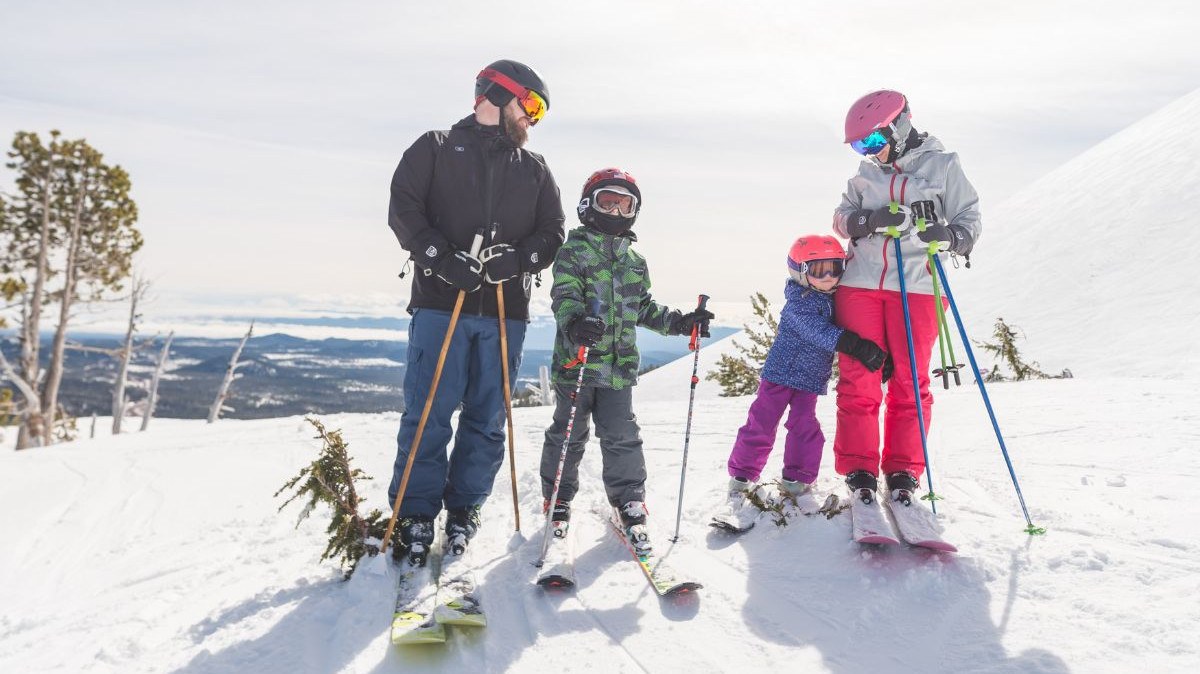
For skiing, you’ll need skis with bindings, boots, poles, goggles, and a helmet.
Snowboarders will swap the skis and poles for a board and bindings, but otherwise the list looks very similar.
Beginners on a board should also think about wrist guards, padded shorts, and even knee pads, falling is part of the process, and a little protection goes a long way.
Your clothing is just as important as the hardware. Start with base layers: thermal tops and bottoms made from merino wool or a breathable synthetic fabric (avoid cotton, which gets damp and stays cold).
Add a mid-layer such as a fleece or soft-shell for colder days, and finish with an outer layer: a waterproof and breathable ski jacket and trousers.
On your feet, proper ski socks are worth the investment, as they help keep you warm and reduce the chance of blisters. Don’t forget waterproof gloves or mittens, a beanie or helmet liner, and a neck warmer or buff for extra protection against the wind.
Small extras also make life easier: a backpack for carrying snacks, water, layers or hand warmers for very cold days.
Rent or buy?
For a first ski holiday, renting is almost always the best choice.
Rental shops stock skis and snowboards designed for beginners, which are shorter and more forgiving, and you’ll have the flexibility to swap equipment if something doesn’t feel right. Rental prices in Europe typically run between £100 and £150 for a full week (including skis/board, boots, poles and a helmet), which makes it a relatively affordable way to get started.
If you’re tempted to buy, focus on boots first. A good pair of boots will last for years, and because they mould to your feet, they’ll be far more comfortable than rentals.
Clothing can be rented too. Some UK companies now offer outerwear hire for around £50–£70 a week, which is ideal if you want to try skiing before committing to the cost of jackets and trousers.
If you do decide to buy clothing, budget-friendly retailers such as Decathlon and SportsDirect stock decent ski gear for a fraction of the price of specialist shops, and you can find some great used gear online.
Should you buy skis as a beginner?
It’s tempting to invest in your own skis, but buying beginner skis isn’t always the best investment.
Entry-level skis are deliberately softer, shorter and more forgiving, which makes them great for learning, but they quickly become limiting.
They tend to lack stability at higher speeds and won’t give you the performance you’ll want once you move onto steeper or more challenging terrain. Most people outgrow them within a season or two.
That’s why it’s best to rent beginner skis in your early years and only buy once you’re ready to move on to intermediate skis, which will carry you much further in your progression.
If you do decide to purchase skis later, look for ones that reach between your chin and nose in height, with an easy-turning shape but enough stiffness to stay stable as you get more confident.
The bottom line
For your first few trips, renting gear makes life simpler, cheaper and more flexible — and it gives you time to decide whether skiing or snowboarding is something you want to commit to long term.
If you do fall in love with it (and chances are you will), boots are the first smart buy, followed later by intermediate skis or a snowboard that matches your style as your skills grow.
A top tip when buying boots - many larger shops in resorts and the UK offer a bootfitting service that may need booking in advance. Call ahead to avoid disappointment and bring your ski socks with you.
They will likely heat-mold the liner and the shell to maximise the comfort and performance of the boot and offer a custom moulded insole. Trust us - this is well worth doing.
9. Physical Fitness & Age
Do you need to be super fit?
Not at all. Skiing and snowboarding use leg and core strength, but you don’t need to be an athlete to enjoy yourself. A basic level of fitness will help you feel less tired and recover more quickly between days. If you can add some squats, lunges or planks to your routine before your trip, you’ll thank yourself on the slopes.
What about age?
There’s no upper age limit for learning to ski, many people take their first lesson in their 40s, 50s, or beyond. Children can start as young as four or five in ski school, where lessons are short, playful, and safe.
Resorts are set up to support every age group, whether that’s toddlers in snow gardens or adults learning in quiet beginner zones. And for parents, the bonus is that while little ones are happily occupied at ski school, you’ll have time to enjoy the slopes yourself.
10. Making the Most of Your Trip
Balance skiing with downtime
It’s tempting to ski all day, every day, but beginners often find half-days more enjoyable. Mornings for lessons, afternoons for gentle practice or a rest, work well. Taking a day off mid-week to enjoy the spa, go snowshoeing, or simply relax helps you recover and enjoy the whole trip.
Plan ahead
Book lessons and equipment hire in advance, especially during peak weeks, to secure availability and avoid long queues in resort. Make sure you also arrange travel insurance that covers skiing and/or snowboarding as medical costs in ski areas can be high.
Pack smart
Don’t forget small essentials: sunscreen and lip balm (the mountain sun is strong, even in winter), a reusable water bottle, and snacks for energy on the slopes. A small backpack (preferably with a chest strap) is handy for carrying extra layers, snacks, and water.
11. What Does a Typical Ski Day Look Like?
Arrival day
Most ski holidays run Saturday to Saturday, and arrival day has its own rhythm. Resort villages can be busy with everyone checking in at once, so if the queue at reception is long, don’t stress, head to a local café or bar, soak in the atmosphere, and circle back once things have quietened down.
If you’ve booked rental equipment, it’s worth collecting it straight away on Saturday. That way, you’ll be ready to go first thing on Sunday without wasting precious slope time.
Keep in mind that most ski shops close around 7-7:30pm, so if you arrive late, head there first. The same goes for lift passes, if they weren’t included in your package, pick them up from the lift pass office (or sometimes directly at your hotel reception). While you’re there, grab a piste map so you can start plotting your adventure.
Morning on the slopes
A typical ski morning starts early. Lifts usually open around 9am, but timings vary depending on daylight hours and the season. After a good breakfast and a few stretches, you’ll head to the boot room. From there, it’s time to gear up and make your way to the lifts or your ski lesson meeting point.
In peak weeks like February half-term, queues can build quickly. One insider tip: arrive a little before the lifts open to beat the rush and enjoy some of the quietest slopes of the day.
Later in the season, early mornings can be icy (particularly if it was slushy the afternoon before), so nervous beginners may prefer to wait a couple of hours until the snow softens in the sun.
Afternoon practice and breaks
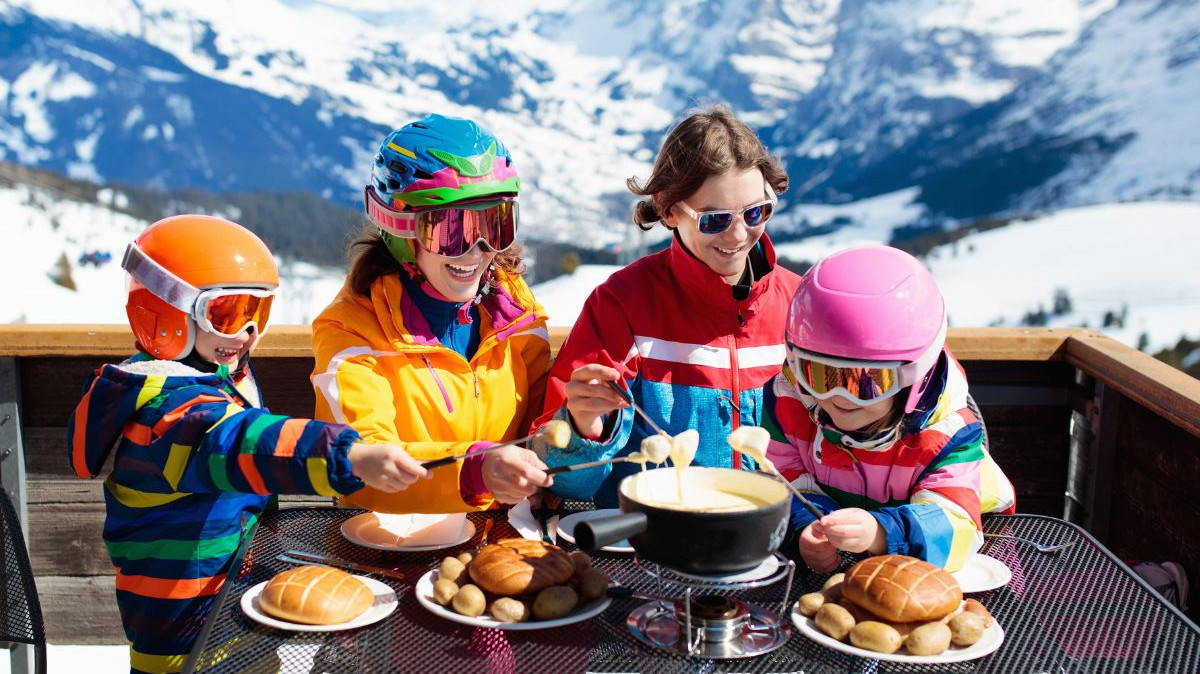
By midday, most skiers are ready for a break. You can grab a quick snack from your backpack or settle into one of the many slope-side restaurants for hot chocolate, a hearty pasta dish or even pizza by the fire.
After lunch, you’ll usually practise what you learned in your morning lesson, though it’s important to pace yourself. Skiing is demanding, and tired legs are more prone to falls.
Lifts typically close around 4–5pm depending on the time of year and how far away from the village they are, so always make sure you’ve left enough energy and time to get back to your “home run.” If you don’t make it, don’t panic, ski patrols sweep the slopes at closing time and will give you a fun ride down on a snowmobile, after which you can catch a ski bus back to your accommodation.
But beware - not all runs lead to home, and in some resorts finishing in the wrong valley can lead to an expensive taxi ride.
Après-ski and evening
Once the lifts stop, the resort comes alive in a different way. Some bars open their terraces in the late afternoon with DJs and live music, creating a vibrant après-ski atmosphere where you can dance in your ski boots before heading home. Others prefer to keep things calmer and swap the party for a spa session.
If your accommodation doesn’t have spa facilities, you can get a one-off entry pass to a nearby wellness centre. Go early or late to avoid the rush and you might have the place almost to yourself.
Evening activities vary: ski packages often include social events like quizzes. If you want to explore beyond your base, most ski buses or gondolas run late into the evening, connecting you to other villages in the resort, but it’s worth checking the last return time in advance.
The last day
Friday is usually your final day on the slopes, and it’s wise to return your rental gear that evening rather than rushing in the morning. Depending on your transfer time, you may also need to pack on Friday night, as coaches often leave very early on Saturday. A quiet last evening, maybe a celebratory meal or a final spa visit, is the perfect way to wrap up your week.
For those in self-catered apartments it’s worth noting that you may be charged if you don’t follow the checkout requirements properly, which often includes a visit from a member of staff to run through the inventory and leaving the apartment in a reasonable state of cleanliness.
Weather tips
Mountain weather is famously unpredictable, so flexibility is key. If the clouds roll in and visibility drops, head to the lower, tree-lined slopes where you’ll find more contrast and can see the terrain more clearly. If you’re caught higher up, take it slowly and use the piste markers to guide you down.
On windy days, conditions can feel much colder at altitude and when sitting on exposed lifts, so make sure you’ve packed layers, or simply stay lower down the mountain where it’s more sheltered.
Conclusion
A ski holiday for beginners might feel daunting, but it’s also one of the most rewarding trips you can take.
With the right resort, a few lessons and realistic expectations, you’ll finish the week with a brand-new skill, unforgettable memories, and maybe even a new passion.
Remember, every expert skier once wobbled down a nursery slope. Take your time, enjoy the mountain atmosphere, and before long, you’ll be the one giving tips to first-timers.
How to Book Your Beginners’ Ski Holiday
Planning a first ski trip has lots of moving parts — resort choice, dates, lessons, lift passes, rental gear, transfers, the right hotel/apartment… and that’s before you think about snow reliability and half-term crowds!
I remove the faff and stack the odds in your favour.
What you get when you book with me:
- Right resort, right dates: I match you to beginner-friendly areas with wide, gentle runs and reliable snow for your chosen month (and avoid the icy/slushy traps).
- A ‘backstage pass’ to ski experts: I work directly with trusted industry suppliers, resort partners and ski schools who specialise in beginners. That means insider guidance on the best instructors for families, the easiest meeting points, and what to book first so nothing sells out.
- Lessons, passes, rental — pre-sorted: Group or private lessons, lift passes and quality rental gear lined up before you arrive, so day one is ski, not queue.
- Beginner-friendly stays: From ski-in/ski-out hotels to well-located apartments and chalets, I recommend places that make your first week simple (boot rooms, short walks, good spa/pool, easy home run).
- Non-skiers covered: Spas, cafés, sledging, snowshoeing, husky rides, scenic rail — I make sure everyone has a great time, even if they don’t ski.
- Protection & peace of mind: I are part of ABTA protected and book with ATOL-protected operators.
Ready to make it easy?
If you’d like me to take this off your plate — and tap into our network of ski-industry experts to set you up for a brilliant first week — get in touch.